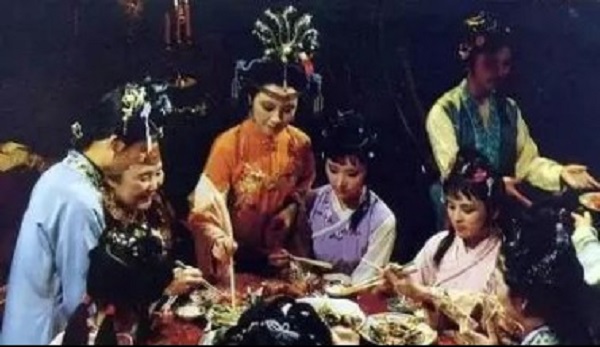
The Dream of the Red Chamber
Introduction
The Dream of the Red Chamber, also known as Hong Lou Meng or The Story of the Stone, is one of China's greatest classical novels, written by Cao Xueqin during the Qing Dynasty (1644-1911). This monumental work is celebrated for its intricate narrative and detailed depiction of life during the Qing Dynasty. The novel is a rich tapestry of family dynamics, social hierarchies, and cultural traditions, set against the backdrop of the declining fortunes of the aristocratic Jia family. It offers insight into the philosophical influences of Buddhism, Confucianism, and Taoism. The novel's profound cultural impact has led to the development of a specialized field of study known as Redology, dedicated to its analysis and interpretation.
Historical Context
The Dream of the Red Chamber was crafted during a time of social and political upheaval in China. The Qing Dynasty, marked by its consolidation of power and cultural flourishing, also faced internal strife and external pressures. The novel mirrors the socio-political landscape of the era, capturing the intricacies of bureaucracy, the fragility of aristocratic life, and the evolving cultural norms. The decline of the Jia family serves as a microcosm for the broader instability and transformation occurring in society. Cao Xueqin's depiction of traditional Chinese customs, coupled with philosophical undertones, provides a comprehensive portrayal of Qing Dynasty life, making the novel a valuable historical document as well as a literary masterpiece.
Author
Biography of Cao Xueqin
Cao Xueqin was born into a distinguished family with ancestral ties to the Manchu imperial court. His great-grandfather, Cao Xi, served as the superintendent of the Jiangning Imperial Silk Manufactory, which established the Cao family as part of the Qing aristocracy. However, the family's fortunes waned due to political disfavor and financial mismanagement. Cao Xueqin's personal experiences of wealth and subsequent poverty informed his writing, imbuing The Dream of the Red Chamber with authenticity and depth. His knowledge of the intricacies of aristocratic life and his exposure to a rich cultural milieu are evident throughout the novel.
Writing Background
The writing of The Dream of the Red Chamber was a deeply personal endeavor for Cao Xueqin, who poured his life experiences into the narrative. The novel is believed to have been written in the latter part of his life, during a period of poverty and obscurity. Despite the challenges he faced, Cao Xueqin's work is marked by its literary sophistication and emotional complexity. He was meticulous in crafting a narrative that blended realism with allegory, ultimately creating a work that transcended its time to become an enduring classic. His ability to capture the nuances of human relationships and societal structures has cemented his place as one of China's preeminent literary figures.
Plot Summary
Main Plot Points
The Dream of the Red Chamber traces the fortunes and misfortunes of the Jia family, particularly focusing on the young heir, Jia Baoyu. Baoyu, known for his rebellious spirit and sensitivity, is caught in a love triangle with two of his cousins, Lin Daiyu and Xue Baochai. The narrative explores the complexities of these relationships against the backdrop of familial obligations and societal expectations. As the Jia family's financial and social standing deteriorates, the novel delves into themes of love, betrayal, and the inescapable nature of fate. The richly detailed plot, interwoven with poetry and philosophical reflections, captures both the grandeur and the decline of a bygone era.
Ending
The novel's conclusion is both poignant and ambiguous. As the Jia family's fortunes continue to decline, Jia Baoyu undergoes a spiritual awakening, ultimately renouncing worldly attachments. The love triangle is resolved, but not without heartbreak and loss. Lin Daiyu's tragic demise and Baoyu's departure to become a monk underscore the novel's exploration of the transient nature of life and the futility of material pursuits. The ending serves as a reflection on the impermanent nature of human existence, leaving readers to ponder the deeper philosophical questions raised throughout the narrative.
Characters
Jia Baoyu, the central protagonist, is a complex character whose sensitivity and defiance set him apart from his peers. He embodies the tensions between duty and desire, tradition and modernity. Lin Daiyu, Baoyu's ethereal and frail cousin, is characterized by her intelligence and emotional depth. Her love for Baoyu is profound but ultimately tragic. Xue Baochai, another cousin, represents the ideal Confucian woman—practical, intelligent, and virtuous. The interactions among these characters drive the narrative and highlight the novel's exploration of love, family, and destiny.
The novel boasts a vast array of minor characters, each contributing to the rich tapestry of the Jia family's world. Characters such as Wang Xifeng, the cunning and ambitious wife of Baoyu's cousin, and Jia Zheng, Baoyu's strict father, exemplify the diverse personalities that populate the novel. These characters, with their distinct motivations and flaws, enrich the narrative and underscore the complexity of human relationships. Their interactions with the major characters further illuminate the societal and familial structures that define the world of The Dream of the Red Chamber.
Themes
Love and Marriage
Love and marriage are central themes in The Dream of the Red Chamber, with the novel exploring the tensions between romantic love and societal obligations. The love triangle between Jia Baoyu, Lin Daiyu, and Xue Baochai reflects the complexities of love in the face of family expectations and social norms. The novel critiques the transactional nature of marriage in aristocratic society, highlighting the emotional toll of such arrangements. Through its characters, the novel examines the dichotomy between genuine affection and duty-bound unions, offering a nuanced perspective on the nature of love.
Family and Society
The Jia family serves as a microcosm for Qing Dynasty society, with the novel delving into the intricate dynamics of familial relationships. The narrative explores themes of loyalty, hierarchy, and duty, emphasizing the interconnectedness of family and societal structures. The decline of the Jia family mirrors broader social changes, reflecting the instability and transformation of the period. Through its depiction of family life, the novel offers a critique of the rigid social norms and expectations that govern the lives of its characters.
Fate and Destiny
Fate and destiny are pervasive themes in the novel, influencing the characters' lives and actions. The narrative is imbued with a sense of inevitability, with the characters' struggles and triumphs ultimately subject to the whims of fate. The novel's philosophical underpinnings, drawn from Buddhism and Taoism, underscore the transient nature of life and the futility of human desires. Through its exploration of fate and destiny, The Dream of the Red Chamber invites readers to reflect on the larger existential questions that shape human experience.
Literary Significance
The Dream of the Red Chamber is a cornerstone of Chinese literature, renowned for its literary artistry and cultural depth. The novel's sophisticated narrative structure, detailed characterizations, and poetic language have cemented its status as a masterpiece. Its exploration of universal themes such as love, family, and destiny resonates with readers across cultures and generations. The novel's impact on Chinese literature and culture is profound, inspiring countless adaptations and scholarly studies. Its enduring relevance and complexity continue to captivate audiences worldwide.
Adaptations
Film and Television
The Dream of the Red Chamber has been adapted into numerous films and television series, each interpreting the novel's rich narrative through a contemporary lens. Notable adaptations include the 1987 television series, which remains a beloved rendition for its faithful portrayal of the novel's characters and themes. These adaptations bring the world of the Jia family to life, offering visual and dramatic interpretations that enhance the novel's accessibility and appeal.
Stage and Opera
The novel's dramatic potential has also been realized through stage and opera adaptations. The San Francisco Opera's production, which premiered in 2016, is a notable example, condensing the novel's intricate narrative into a two-hour performance that highlights the central love triangle. This adaptation, along with others, showcases the novel's versatility and its capacity to inspire diverse artistic expressions.
Cultural Impact
The Dream of the Red Chamber holds a significant place in Chinese culture, influencing art, music, and popular culture. Its depiction of Qing Dynasty life has informed cultural practices and traditional customs. The novel's themes and characters have permeated Chinese society, becoming part of the cultural lexicon. Its impact extends beyond literature, inspiring academic disciplines and artistic endeavors that continue to explore its rich narrative and cultural insights.
The novel's global reach is exemplified by its numerous translations, which have introduced The Dream of the Red Chamber to international audiences. To date, it has been translated into over 20 languages, including English, Japanese, Russian, German, and French.








